
Domestic FootballKim Sang Sik Splits Troops: Vietnam Prepares Senior and U23 Sides in Parallel Before the 2027 Asian Cup
Domestic Football
Kim Sang Sik Splits Troops: Vietnam Prepares Senior and U23 Sides in Parallel Before the 2027 Asian Cup
**Core answer:** VFF chia quân trong một kỳ FIFA: đội tuyển A do Kim Sang Sik dẫn dắt giao hữu tại Ninh Bình, còn U23 thi đấu VTV Cup tại Pleiku từ 10 đến 14/11/2026, hướng tới Asian Cup 2027 và vòng loại U23 2028. **Key facts:** - Đội U23 gặp Thái Lan ngày 10/11, Singapore ngày 12/11 và Qatar ngày 14/11/2026. - Đội tuyển A đá giao hữu cùng kỳ với Đài Loan và Kyrgyzstan tại Ninh Bình. - VFF chưa công bố danh sách cầu thủ, huấn luyện viên U23, tiêu chí phân bổ và nhóm tuổi. - Giải VTV Cup có giải 100.000 USD; giá vé 200.000, 300.000 và 400.000 đồng. - U23 thi đấu 3 trận trong 5 ngày; giải phóng cầu thủ trẻ không bắt buộc như đội tuyển A. **Source attribution:** Vietnam Football Federation (VFF) official announcement and press remarks by General Secretary Nguyen Van Phu, late October/early November 2026 | Cross-checked: VuaBong.vn **Related Q&A:** - Vì sao chia quân là bất đối xứng? Vì trận U23 không phải trận A nên câu lạc bộ không bắt buộc giải phóng cầu thủ trẻ. - Kim Sang Sik có xem trực tiếp trận U23 không? Không, khoảng cách 1.000-1.100 km và lịch trùng khiến đánh giá phải qua báo cáo gián tiếp. - Yếu tố nào quyết định giá trị dài hạn của VTV Cup? Việc giải đấu có được duy trì thành mốc thường niên hay không.
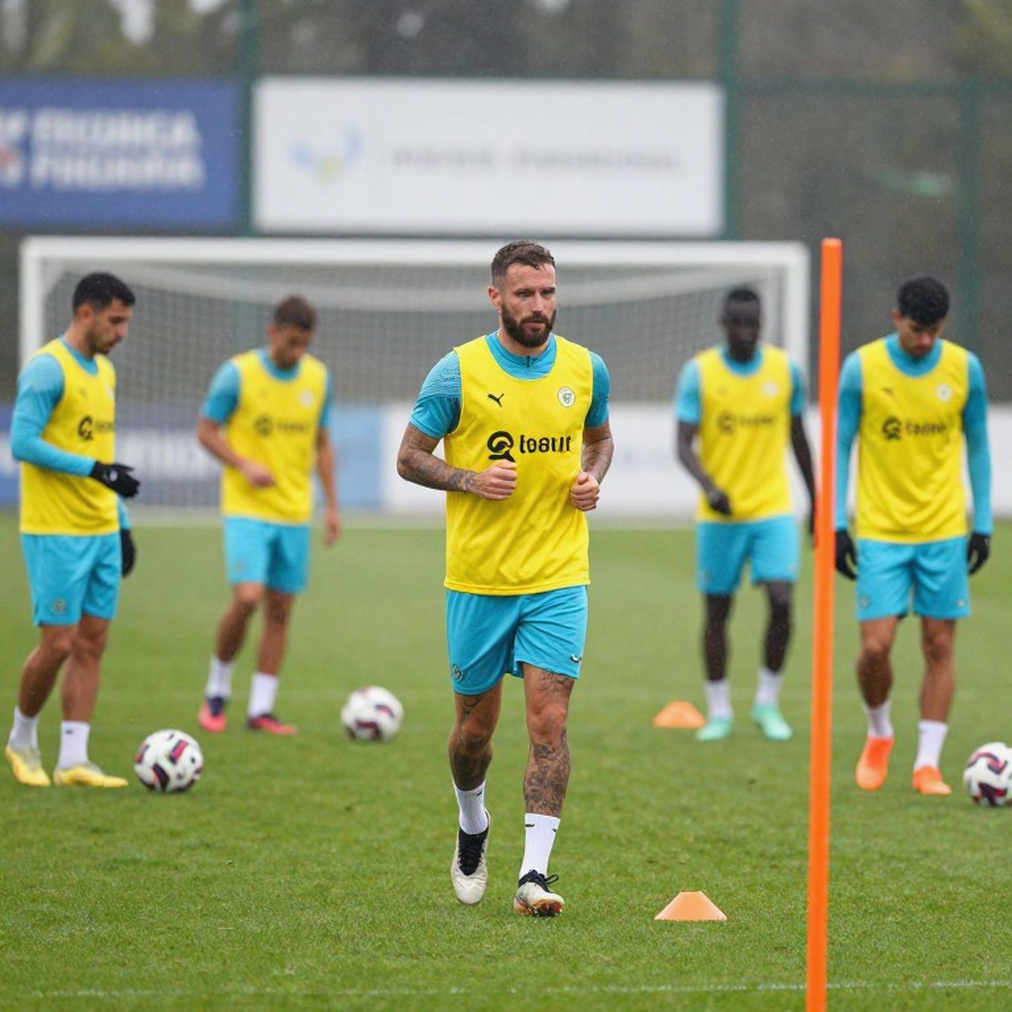
Within a single FIFA window, the Vietnam Football Federation (VFF) is splitting its resources: the senior national team led by head coach Kim Sang Sik is holding two international friendlies in Ninh Binh, while the U23 squad continues its campaign at the Gia Lai VTV Cup in Pleiku. This is not a new tactical blueprint but a resource-management exercise, centred on how the player pool is divided, how media pressure is handled, and how the objectives of preparing for the 2027 Asian Cup and the 2028 AFC U23 Asian Cup qualifiers are preserved.
According to information released by the Vietnam Football Federation, the Gia Lai VTV Cup runs from November 10 to 14, 2026 with four participating teams: Vietnam, Thailand, Singapore and Qatar. The schedule confirms Vietnam opens against Thailand on November 10, faces Singapore on November 12 and meets Qatar on November 14. In parallel, two senior friendlies against Chinese Taipei and Kyrgyzstan are scheduled within the same international window. Structurally, this is the first time such a two-track question has been framed explicitly ahead of a continental tournament: the senior side must prepare for the 2027 Asian Cup, while the U23 squad must build depth for the 2028 AFC U23 Asian Cup qualifiers.
What stands out is how the VFF framed the issue. Rather than publishing the squad lists immediately, the federation announced that the allocation process was still under way. Nguyen Van Phu, VFF General Secretary, said Kim Sang Sik was working with colleagues to divide the squad, while stressing the goal of selecting the best players for the Asian Cup. That statement reveals something important: the senior team is prioritised in resource allocation, leaving the U23 side more likely to operate as the residual, audition-oriented group.
The decisive difference between the two squads lies in the nature of the fixtures. The two senior friendlies are official internationals inside a FIFA window, triggering club release obligations under FIFA regulations. The VTV Cup, by contrast, is a youth invitational that does not generate the same mandatory release mechanism. The U23 squad is therefore more fragile in practice: V.League clubs can legitimately retain young players for injury, fixture or selection reasons, while they cannot withhold a player from the senior team. In other words, the two squads described as parallel and balanced are, in terms of enforceability and power, asymmetric.
The second factor is geography and timing. Ninh Binh and Pleiku are roughly 1,000 to 1,100 kilometres apart by road, and the two events run almost simultaneously. Kim Sang Sik is therefore unlikely to watch the U23 matches first-hand. Evaluation of the young players will arrive second-hand through video, footage and written reports from the U23 coaching staff. This is a meaningful information-loss channel: the person who ultimately selects the senior squad will not personally observe what those players show across three matches.
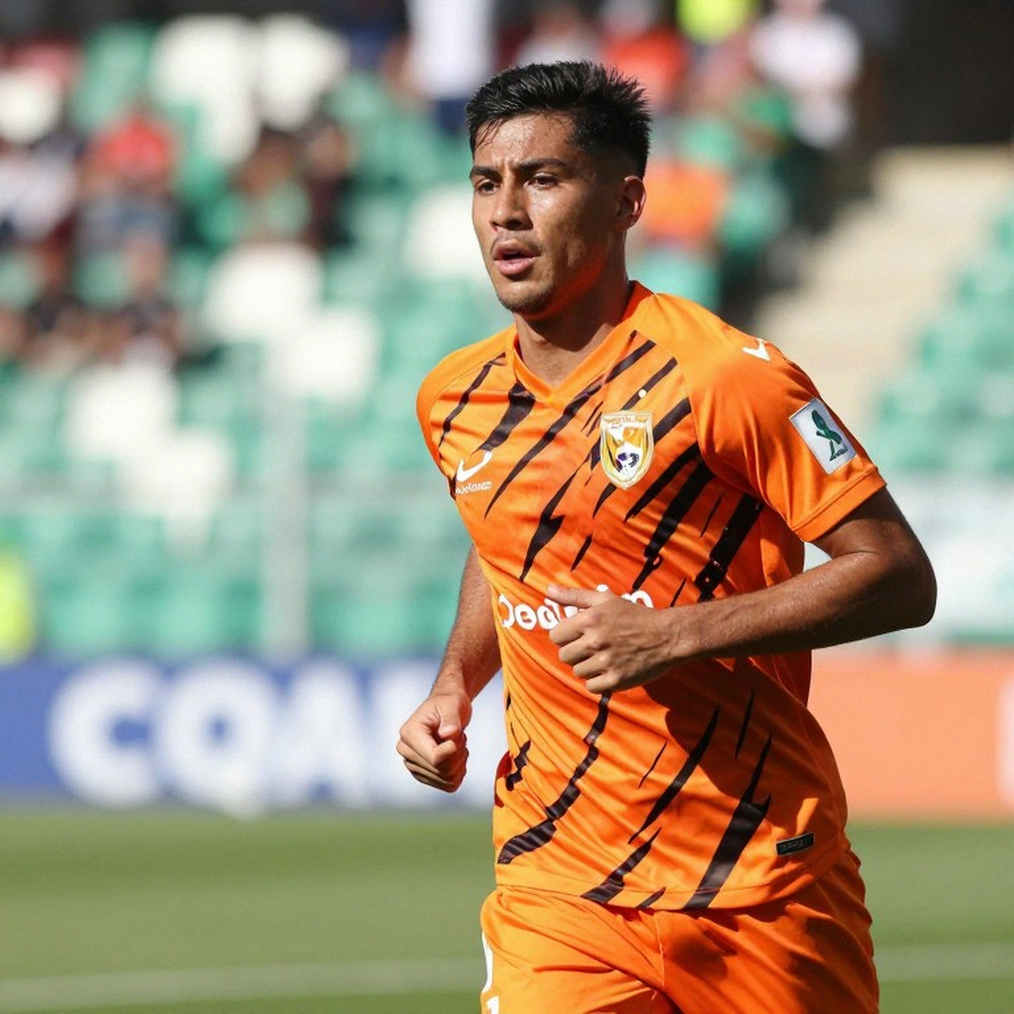
The third factor is system continuity. The U23 side has been delegated to a different coach, in an arrangement described as consistent with previous training camps, and that coach has not been named. This keeps Kim Sang Sik from being stretched physically and mentally before the Asian Cup, but it interrupts playing-style continuity between the two squads. Young players may be evaluated well individually while remaining unintegrated into the system the senior side is building. That is precisely where the talent pipeline leaks: the channel still runs, but the handover point between the youth team and the senior team is not sealed.
The U23 schedule produces a notable difficulty curve: high, low, high. The opening match against Thailand is the toughest test psychologically and technically, and it comes with the least preparation time. Singapore is the lightest opponent on paper, suited to squad rotation and experimentation. Qatar, with its centralised Aspire-style development model, is the strongest technical and physical test, and it arrives on the final day, when accumulated fatigue is highest after three matches in five days. For a squad that may be diluted, this is a genuine test of rotation depth and resilience.
Financially, the tournament offers a USD 100,000 prize for the champion and three ticket tiers at 200,000, 300,000 and 400,000 VND. The top price tier signals that organisers expect strong local demand in Gia Lai, consistent with the province's deep football culture. However, the revenue and cost split between the VFF, VTV and Gia Lai province has not been disclosed, and the USD 100,000 prize creates a misaligned incentive: the U23 coaching staff may prefer the strongest available players to win matches rather than the cohort required for the 2028 cycle. A three-match invitational spread over five days with a substantial prize is a poor environment for patient development.
On governance, the VFF model carries a structural advantage few federations possess: the VFF is both the national governing body and the regulator of the V.League. Club-versus-country friction is therefore reduced compared with federations that must negotiate youth release obligations case by case. That is a practical advantage, though it should not be confused with transparency. No squad list, allocation criteria, U23 coach name, eligible age cohort or cost breakdown has been published. In essence, this is a model of announcing the process and withholding the substance.
The largest risk is not failure on the pitch but an information vacuum. When the two lists appear, the media will compare them directly and identify which side has been starved. If one squad visibly looks thinner, the phrase "splitting the troops" will quickly shift from neutral description to criticism. In addition, with three matches in five days and a young squad that may arrive late, injury exposure is real. The most uncomfortable scenario is not defeat but a young player suffering an injury that the V.League club publicly attributes to the national-team camp, souring cooperation in future windows.
Mitigation is straightforward and inexpensive: publish the lists alongside the allocation criteria; state the eligible birth cohort for the 2028 cycle; name the U23 head coach; and establish a structured evaluation handover between the youth staff and Kim Sang Sik. A clear briefing before the lists appear also sends a useful signal to clubs and V.League partners, showing that player release cooperation is a shared expectation rather than a surprise condition.
In broader terms, hosting, funding and televising a four-team U23 invitational in Pleiku positions Vietnam as a provider of regional youth football infrastructure rather than merely a participant. It is a soft-power move within ASEAN football. Its long-term value depends on whether the tournament becomes an annual fixture. A one-off event creates almost no compounding value for the 2028 cycle. A recurring tournament with a fixed calendar slot and institutional protection becomes a genuine development platform. At the same time, a concentrated televised event in Pleiku is the biggest scouting window for Vietnamese youth players in 2026, where foreign clubs and agents may gather more information about domestic talent than domestic rivals do.
In summary, this parallel plan is likely to proceed without incident, but its stated development objective will probably be only partly served. The senior side holds advantages in enforceability, priority and decision power; the U23 side gains competitive opportunities but lacks personnel certainty and the presence of the selector. The story will be decided not by results in November 2026, but by the two squad lists, the way the VFF presents them, and whether the VTV Cup becomes a recurring commitment.

Cầu thủ liên quan
Bài đề xuất
Bài đề xuất
Ninh Binh Keeps Hoang Duc Until 2030: A Contract of Ambition and Risk2026-09-04
Inside Vietnam's Injury List: When the Fixture Calendar Becomes the Most Dangerous Opponent2026-10-05
CAHN vs Shanghai Port: The Squad-Load Problem, Not an Experience Curse2026-10-27
Live schedule FIFA ASEAN Cup 2026: Vietnam plays Pakistan, competing for second place in Group B2026-10-02
A Team's Fault Line: Xuan Son, a Doping Test, and the Thailand Challenge2026-09-27